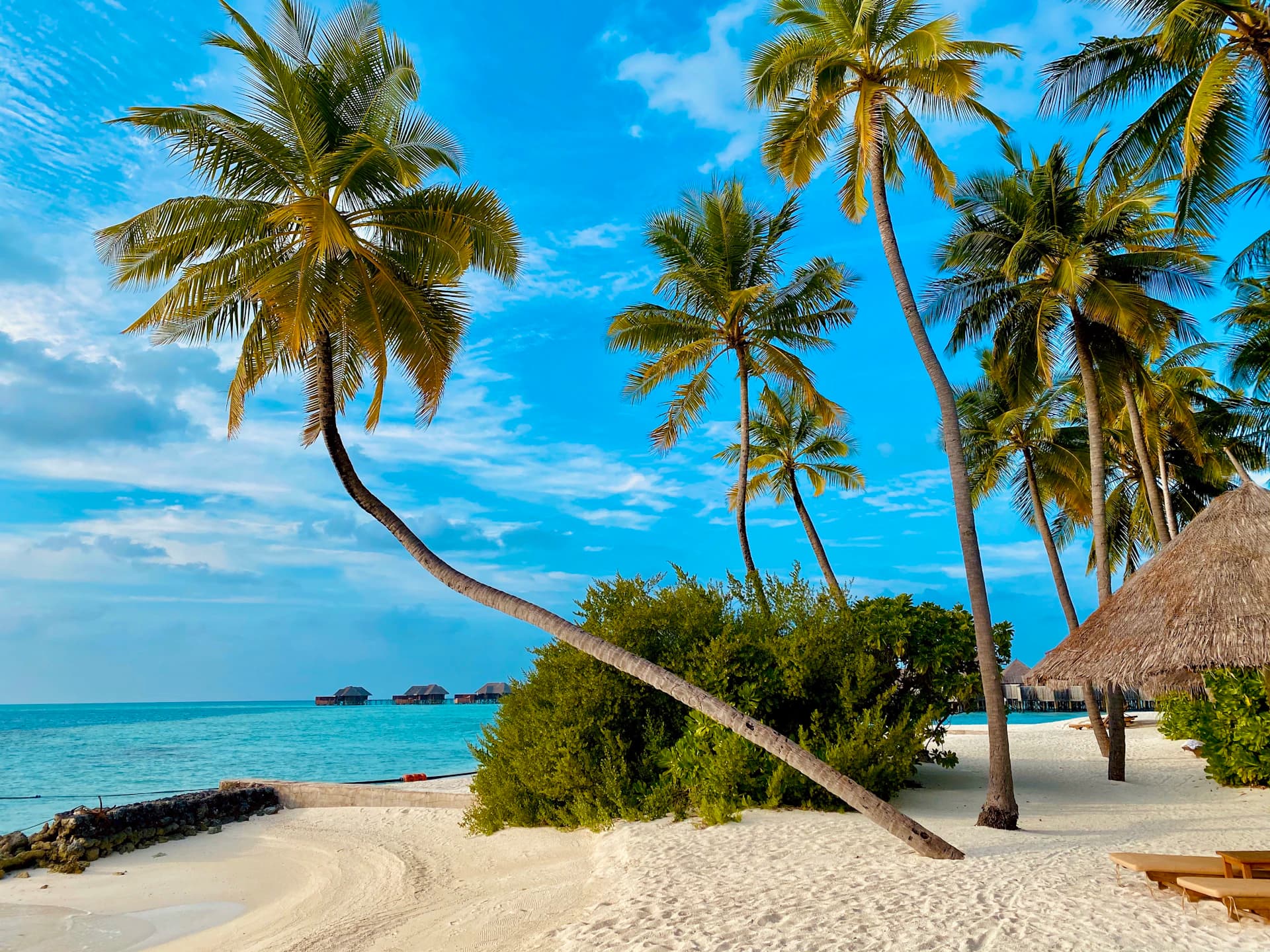
The Zanzibar Archipelago
Rising from the warm, luminous waters of the Indian Ocean just twenty-five miles off the Tanzanian mainland, the Zanzibar archipelago is a place where centuries of trade, culture, and natural splendour converge into something utterly singular. Comprising two principal islands — Unguja, the larger and more commonly visited, and Pemba, its wilder, less-charted sibling — the archipelago offers a tapestry of experiences that few destinations on earth can rival. For the discerning traveller, Zanzibar is not merely a beach escape; it is a sensory odyssey through coral-stone alleyways, spice plantations heavy with clove and cardamom, and reefs teeming with kaleidoscopic marine life.
Pemba Island, often overlooked, rewards those who seek solitude. Its verdant hillsides plunge into channels of startling blue, and its underwater visibility is among the finest in the western Indian Ocean. Together, the two islands form a destination that balances heritage and hedonism in equal, exquisite measure.
Stone Town — A Living Heritage
No visit to Zanzibar begins anywhere but Stone Town, the archipelago's cultural heart and a UNESCO World Heritage Site since 2000. Built from coral ragstone and mangrove timber, the old quarter is a labyrinth of narrow alleys where intricately carved wooden doors — each one a chronicle of Arab, Indian, and Swahili craftsmanship — open onto hidden courtyards fragrant with frangipani.
Wander through the Darajani bazaar at dawn, when fishermen lay their catch on slabs of coral and the air crackles with the calls of spice vendors. Lose yourself in the winding passages that lead, without warning, to the waterfront and the imposing silhouette of The Old Fort — a seventeenth-century Omani stronghold now host to open-air concerts and cultural festivals. At dusk, make your way to Forodhani Gardens, where the nightly street-food market transforms the seafront into a theatre of sizzling Zanzibar pizza, grilled octopus, and freshly pressed sugarcane juice, all consumed beneath a canopy of stars.
Beaches Beyond Compare
Zanzibar's coastline is a masterclass in variety. On the north-western tip of Unguja, Nungwi unfurls a long crescent of powder-white sand lapped by water that barely shifts with the tide — ideal for unhurried afternoon swims and golden-hour sundowners. Neighbouring Kendwa shares the same tidal advantage and adds a touch of bohemian energy, with beachside bars that come alive after dark.
On the east coast, Paje has earned a devoted following among kite surfers, its shallow, turquoise lagoon offering consistent winds from June through March. Even if you never clip into a harness, the spectacle of colourful kites arcing above the flats is mesmerising. Further north, Matemwe offers something rarer still: near-total seclusion, a reef visible at low tide, and a pace of life dictated entirely by the ocean.
Beneath the Surface
The waters surrounding Zanzibar harbour some of East Africa's richest marine ecosystems. Mnemba Atoll, a tiny private island ringed by a protected coral reef just off the northeast coast, offers world-class snorkelling and diving. Drift above gardens of branching coral where green sea turtles glide with effortless grace, bottlenose dolphins ride the bow wave of your dhow, and harlequin sweetlips school in clouds of silver and gold.
Dolphin tours departing from Kizimkazi, on Unguja's southern tip, provide the chance to swim alongside pods of spinner and bottlenose dolphins in their natural habitat. Ethical operators limit group sizes and maintain respectful distances, ensuring these encounters remain as magical for the dolphins as they are for their human guests.
Where to Stay in Style
Zanzibar's luxury accommodation scene has matured into one of the most compelling in the Indian Ocean. Private-island resorts on Mnemba and beyond deliver barefoot opulence — thatched bandas steps from the high-tide line, personal butlers, and seafood dinners staged on the sand beneath lantern light. On Pemba, intimate eco-lodges perch on clifftops overlooking the Pemba Channel, offering diving butlers and spa treatments infused with locally harvested seaweed and coconut.
For those who prefer the pulse of culture, Stone Town's boutique hotels occupy restored merchant houses where rooftop terraces survey a skyline of minarets and satellite dishes, and plunge pools are tucked into centuries-old courtyards. The contrast between the ancient architecture and contemporary comforts — rainfall showers, Egyptian-cotton linens, curated art collections — is part of the magic.
Two stays on the archipelago we have written about in full. Kilindi Zanzibar scatters fifteen white domed villas through fifty acres of tropical garden above a private beach on the north-west coast — built less for spectacle than for the slow recovery of time. And our journey from the fish markets of Dar es Salaam to the northern shores traces the whole Swahili arc, mainland and island together.
Spice Tours & Cultural Immersion
Zanzibar was once the world's largest producer of cloves, and the island's spice heritage remains palpable. Guided tours through the plantations of the island's interior reveal vanilla vines climbing through the canopy, nutmeg husks splitting to reveal their crimson mace, and lemongrass so fragrant it perfumes your hands for hours after you brush past. These excursions are as much about human connection as botany — local guides share stories passed down through generations, and lunches are prepared using the very spices you have just harvested.
Beyond the spice farms, cultural immersion extends to Jozani Chwaka Bay National Park, home to the endemic red colobus monkey, and to cooking classes in local homes where the secrets of Zanzibari pilau and biryani are shared with warmth and laughter.
Best Time to Visit
The prime window for visiting Zanzibar stretches from June through October, when the southeast monsoon, known locally as the kusi, ushers in dry skies, comfortable temperatures in the high twenties, and superb underwater visibility. This is peak season, so booking well in advance is essential for the most sought-after properties.
A shorter dry interlude falls in January and February, offering warmer temperatures and quieter beaches — an excellent choice for travellers who prefer fewer crowds without sacrificing sunshine. The long rains of April and May are best avoided, though even then the island possesses a moody, dramatic beauty of its own.
Practical Notes
Zanzibar's Abeid Amani Karume International Airport receives direct flights from Dar es Salaam (a swift twenty-minute hop), Nairobi, and a growing number of seasonal European routes. The short transfer from the mainland means Zanzibar pairs effortlessly with a Serengeti or Selous safari — a combination worth building a journey around.
We recommend a minimum of four to five nights on the archipelago: one or two in Stone Town for heritage and gastronomy, and the remainder on the coast for diving, relaxation, and the kind of deep, unhurried stillness that only a tropical island can provide. Plan an escape that balances adventure, culture, and indulgence in precisely the proportions you desire.
Activities & Excursions
Zanzibar's pleasures are layered — what you do here is inseparable from where you are. Each activity deepens your understanding of the island's particular alchemy of ocean, spice, and culture.
DHOW SUNSET CRUISE
Board a traditional wooden dhow at dusk and sail the protected waters off Nungwi or Stone Town as the sky turns amber and rose. Sundowners are served on deck; fishing villages dissolve into silhouette on the shore. The most elegant way to end any day on the island.
MNEMBA ATOLL SNORKEL & DIVE
The protected reef surrounding Mnemba Island is among East Africa's finest dive sites. Day trips from Matemwe or Nungwi cover the outer reef by snorkel, with guided dives available for certified divers. Encounters with green sea turtles are near-guaranteed; whale sharks pass through between October and March.
STONE TOWN WALKING TOUR
The labyrinth of Stone Town rewards a guided approach. Expert local guides unlock doorways, rooftop terraces, and the stories behind the carved doors that a self-guided wander misses entirely. Evening food tours through Forodhani Gardens combine heritage with the island's extraordinary street-food culture.
SPICE PLANTATION TOUR
Half-day guided tours through the interior plantations reveal clove, vanilla, cardamom, nutmeg, and black pepper growing in an extraordinary sensory tangle. Lunch prepared from the morning's harvest is typically included. The best operators keep group sizes small and include a visit to a local family's home.
JOZANI FOREST & RED COLOBUS WALK
Jozani Chwaka Bay National Park is the only place on earth to encounter the endangered Zanzibar red colobus monkey in its natural habitat. Guided forest walks also cover endemic flora, mangrove boardwalks, and the park's remarkable biodiversity. Half-day from most beach resorts.
Further Reading
Where we have written about the archipelago at length, and how the coast fits alongside a safari.
Breakfast on the Water: Kilindi Zanzibar and the Domes by the Sea
On the north-west coast of Zanzibar, fifteen white domed villas stand scattered through fifty acres of tropical garden above a private beach — a place built less for spectacle than for the slow recovery of time.
6 min readTanzania Unveiled: A Tale of Two Souls
From the rhythmic chaos of Dar es Salaam's fish markets to the barefoot elegance of Zanzibar's northern shores. A deep dive into the art of Swahili travel.
4 min read
Begin Your Zanzibar Journey
Begin planning your Indian Ocean escape — search flights and stays, and shape it around the season and the coast you love.
Begin Your JourneyProperty information for Kilindi Zanzibar courtesy of The Elewana Collection (@elewanacollection), which retains all rights.